For good reason , temple in uttarakhand is frequently referred to as Devbhumi, or the “Land of the Gods.” This state is peppered with temples that are not only great in building and dedication but also placed in breathtaking natural settings, thanks to its high Himalayan peaks, winding rivers, lush woods, and long spiritual history. When organizing a spiritual pilgrimage across Uttarakhand, these ten temples ought to be at the top of your list.
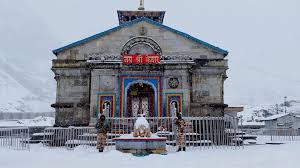
1. Kedarnath Temple (Rudraprayag District)🛕
- God: Lord Shiva
- Why it’s unique: One of the most famous places for pilgrims to go. It is a part of the Char Dham Yatra and one of the twelve Jyotirlingas. India’s Times+2eUttaranchal+2
- Setting: At around 3,583 meters (11,755 feet) in the heart of the Garhwal Himalayas, encircled by rocky peaks and frequently covered in snow. The Times of India+1
- The road leads up to Gaurikund; depending on your time and expense, you can either trek there or take a pony, porter, or helicopter. The shrine is best visited in the summer or fall when it is open; it is closed in the winter because of the severe snowfall. eUttaranchal+1
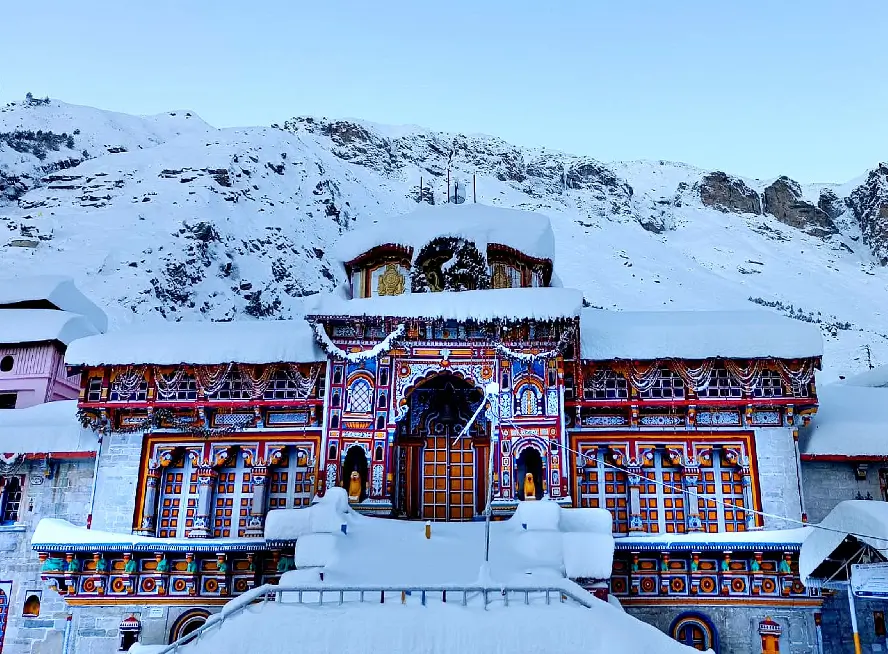
2. Badrinath Temple (Chamoli District)🛕
- God: Lord Vishnu
- Spiritual significance: A major location in Vaishnavism and one of the pilgrimage locations for Char Dham. The Times of India+1
- Setting and altitude: around 3,133 meters. surrounded by mountains and tucked away in the Himalayas. The journey is just as rewarding as the destination because of the clear air, the adjacent river Alaknanda, and the shifting scenery. The Times of India+1
- Advice: Open approximately from May to October; snow may limit access outside of these times. It is frequently combined with other treks or Dhams by pilgrims. The Times of India+1
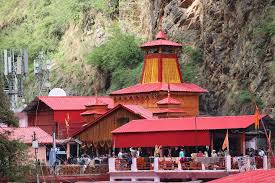
3. Yamunotri Temple (Uttarkashi District)🛕
- Deity: Yamuna the Goddess
- Why come? The Yamuna River originates there. It is soul-stirring because of the spiritual atmosphere created by the hot springs (such as Surya Kund) along the trail, as well as the hike through hills and forests. The Times of India+2 The Times of India+2
- Location/Altitude: around 3,293 meters. Pilgrims typically visit this shrine first on the Char Dham circuit. The Times of India+1
- Advice: The weather can be unpredictable (winter snow), and it requires a hike from the closest roadhead. The best time to go is from late spring to early October. eUttaranchal+1
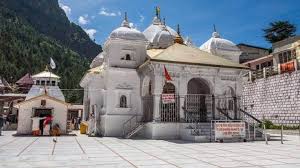
4. Gangotri Temple (Uttarkashi District)🛕
- Deity: Ganga, the goddess
- What’s strong here: The temple is very important for purifying ceremonies and marks the Ganges’ (Bhagirathi River) source. The Times of India+1
- The scenery, which includes mountain views, crystal-clear rivers, and alpine meadows, enhances the sense of spiritual connection. The Times of India+1
- When to go: Closed in the winter because to excessive snow; usually opens in late April or early May. Timing your trip is important. The Times of India+1
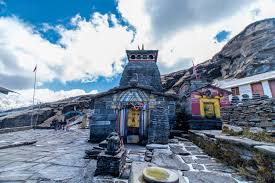
5. Tungnath Temple (Rudraprayag District / Chopta Region)🛕
- God: Lord Shiva
- Special features: It belongs to the Panch Kedar series and is among the tallest Shiva temples. The journey to Tungnath is stunning, frequently passing through forests of deodar and rhododendron before arriving at high-altitude meadows. India’s Times+2eUttaranchal+2
- Elevation: around 3,680 meters; the view from Chandrashila Peak, which is above Tungnath, is particularly satisfying. eUttaranchal+1
- Advice: Even in the summer, pack warm clothing because the trek is moderate. The best times of year are from late spring to fall. eUttaranchal+1
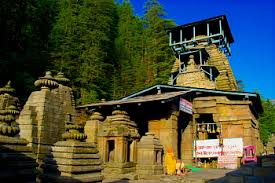
6. Jageshwar Temples (Almora District)🛕
- Shiva is the main deity, while many other deities are found in minor temples.
- What’s unique about it: a collection of more than 100 historic stone temples, many of which are from the seventh to the thirteenth centuries. The temple complex is renowned for its ageless mysticism, tranquil forest setting, and exquisite stone craftsmanship. India’s Times +2trocals.com+2
- Quieter and less crowded than the shrines of Char Dham, the atmosphere is ideal for spiritual retreat, meditation, and photography. Holidays with a Full Moon +1
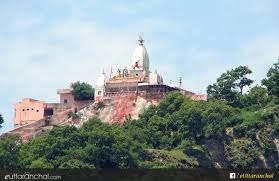
7. Mansa Devi Temple (Haridwar)🛕
- Deity: Goddess Mansa Devi, who is a manifestation of Shakti
- Why come? One of the most significant temples in Haridwar, it may be reached by cable car or hiking and provides a panoramic view of the Ganges and Haridwar in addition to a spiritual experience. The Times of India+1
- Benefits and best time: Holidays like Navratri are widely observed. Many pilgrims come for darshan or aarti in the evening. The Indian Times.
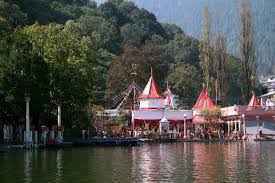
8. Naina Devi Temple (Nainital District)🛕
- Deity: Durga in the guise of Goddess Naina Devi
- Mythology: It is said to be one of the Shakti pithas, where Sati’s eyes, or “Nain,” dropped. The Times of India+1
- Setting: With a view of Naini Lake, this location offers stunning vistas, particularly after dusk. A contemplative, serene atmosphere is created by the serene lake and temple situated atop a hill. The Times of India+1
9. Neelkanth Mahadev Temple (near Rishikesh)🛕
- Deity: Mahadev, or Lord Shiva
- Legend: Neelkanth is linked to the tale of Samudra Manthan, or the churning of the ocean, in which Shiva drank poison and his throat went blue. This highly regarded temple is located close to Rishikesh. The Times of India+1
- Way and experience: The road leads to the temple, which is reachable by hiking; the journey is made more spiritual by the presence of rivers and lovely trees. Particularly well-liked by both nature lovers and enthusiasts. The Times of India+1
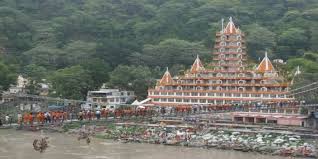
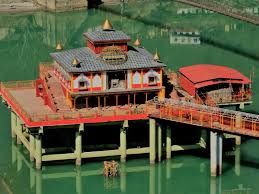
10. Dhari Devi Temple (on the Alaknanda River)🛕
- Goddess Dhari Devi is the deity.
- Significance: Both residents and pilgrims regard the temple as sacred, and it is said to safeguard the area. The Times of India+1
- Location and atmosphere: Reachable by road, on the banks of the Alaknanda River. It’s a heartfelt stop because of the river, the verdant hills, and the spiritual atmosphere. The Times of India+1
Tips for a Meaningful Spiritual Trip
To fully experience these temples, not just as tourist spots but as spiritual destinations, here are some suggestions:
- Top Seasonal Window
- Due of snow, many high-altitude temple in uttarakhand are inaccessible in the winter. For the majority of temples, schedule your visit between May and October, which is late spring to early autumn.
- Pilgrimage Itinerary Ideas
- Yamunotri → Gangotri → Kedarnath → Badrinath is the Char Dham Yatra.
- Five Shiva temples (Kedarnath, Tungnath, Rudranath, Madhyamaheshwar, and Kalpeshwar) make up Panch Kedar.
- Combine temples with beautiful hikes, such as the circuits of Jageshwar or Tungnath + Chandrashila.
- Accommodations & Logistics
- Lodging & Arrangements
- Stay at homestays, camp sites, or adjacent towns.
- Observe local laws, customs, and attire. Modest attire is frequently necessary.
- Prepare for altitude: acclimatization, health, and safety are important because some temples are over 3,000 meters.
- Spiritual Practices & Etiquette
- Spiritual Activities & Protocols
- For more serenity and less crowds, start your day early.
- If offered, take part in bhajan or aarti.
- Be considerate: take off your shoes, keep quiet in certain areas, and follow the regulations of photography.
- Blending Devotion and Nature
- The majority of temple in uttarakhand are situated in breathtaking natural settings, such as mountains, rivers, and forests. Take use of these times to meditate, think, and savor the quiet.
Some Lesser‑Known Gems (If You Have Extra Time)
If you want off‑the‑beaten‑path, these temple in uttarakhand are less crowded but rich in spiritual atmosphere:
- The Goddess Kali is worshipped in Kalinka Temple (Pauri Garhwal), which is surrounded by serene woodlands and a picturesque drive. Wikipedia
- A short hike is necessary to reach the Chandrabadani Devi Temple, a Siddhpeeth near Devprayag, where the body of Goddess Sati (badan) is said to have fallen. Wikipedia
- The local deity Mahasu Devta Temple (Hanol, Dehradun district) is situated in a distant community with a strong cultural identity. It was constructed in the traditional manner using wood and stone. Wikipedia
Why These Temples Speak to the Soul
What makes these temples not just places of worship but transformative travel experiences?
- Mythology and History: Every temple has a mythology or story about the gods, the fallen body of Sati, or historical dynasties. These tales let us relate to a greater whole.
- temple in uttarakhand architectural Beauty: Numerous temples exhibit the stone carving, Himalayan, or Nagara styles of ancient Indian temple building. For example, Jageshwar is renowned for its sculptures. trocals.com+1
- Nature as a Collaborator: Alpine meadows, birch and deodar trees, rivers, and snow-capped summits all create an atmosphere conducive to reflection.
- Rituals and Devotion: Places of stone are given vitality and vitality by the aartis, festivals, pilgrimages, and bhajans. temple in uttarakhand