In addition to having stunning mountains and rivers, Uttarakhand, popularly known as the Devbhoomi or “Land of the Gods,” is endowed with a rich cultural legacy that is evident in its vibrant festivals. Every occasion, whether it’s a bountiful crop, the changing of the seasons, or the worship of regional deities, is celebrated with unparalleled fervor and devotion by the people of Uttarakhand.
Festivals of Uttarakhand held here is a lively fusion of dancing, music, rituals, and community building that preserves the long-standing customs. Let’s examine some of Festivals of Uttarakhand most significant and distinctive festivals in this post, which showcase the state’s diverse cultural heritage.
1. Kumbh Mela – The Sacred Gathering of Faith
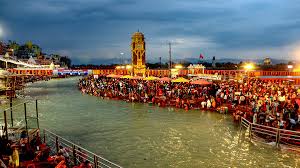
The Kumbh Mela, one of India’s most revered spiritual events, is held every 12 years in Haridwar, one of the four sacred sites where it alternates. Believed to cleanse the soul and wash away sins, millions of devotees from all over the world congregate to take a sacred dip in the Ganga River.
The chants of saints, spiritual talks, and the aroma of incense fill the air, creating an electrifying environment. The occasion demonstrates Uttarakhand’s strong spiritual ties to Indian religious customs.
Where: Haridwar
When: Every 12 years (the most recent was in 2021; the next one is in 2033)
Highlights include religious processions, spiritual meetings, and a holy dip in the Ganga.
2. Nanda Devi Raj Jat Yatra – The Grand Himalayan Pilgrimage
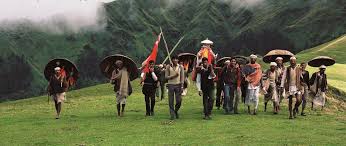
Held in the Chamoli district once every 12 years, the Nanda Devi Raj Jat Yatra is one of Uttarakhand’s most important and uncommon pilgrimages. It is devoted to the patron deity of the area, Goddess Nanda Devi, who represents wealth and safety.
The yatra is a 20-day, 280-kilometer journey through difficult Himalayan terrain. The goddess’ journey to her in-laws’ house is symbolized by a sheep carried by thousands of believers wearing traditional clothing.
The Garhwal and Kumaon populations’ strong spiritual links and solidarity are demonstrated during this festival.
Where: Chamoli District (from Homkund to Nauti Village)
When: Every 12 years; the most recent was in 2014.
Highlights include folk dances, traditional melodies, and ceremonial offerings.
3. Ganga Dussehra – Celebrating the Descent of the Holy Ganga
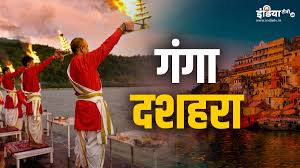
The day the Ganga River came down from heaven to earth is celebrated on Ganga Dussehra. Along the ghats of Haridwar and Rishikesh, devotees congregate to worship and bathe in the holy river.
Priests recite hymns all night long, and lanterns are float on the river as part of the festival’s intensely religious celebration. It is an image of optimism, brightness, and trust.
Where: Gangotri, Haridwar, and Rishikesh
When: 10th day of Jyeshtha month, May–June
Highlights include floating diyas, aarti, and river worship.
4. Bikhauti (Vikhauti) Mela – The Festival of New Beginnings
Festivals of Uttarakhand According to the Vikram Samvat calendar, the Bikhauti Mela is observed throughout Kumaon to commemorate the traditional New Year. It often occurs in April and marks the start of the growing season.
In addition to worshiping Goddess Shakti and cleaning and decorating their homes, people also meet each other and share sweets. Folk performances, local fairs, and wrestling events add to the festival’s vibrancy and happiness.
Where: Pithoragarh, Bageshwar, Almora
When: April, during the month of Navratri
Highlights include communal feasts, local festivals, and folk music.
5. Harela – The Festival of Greenery and Harvest
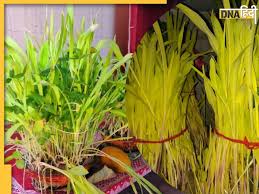
One of the most popular holidays in Uttarakhand, particularly in the Kumaon area, is Harela, which translates to “Day of Greenery.” It signals the start of the sowing season and the monsoon.
Five to seven grain seeds are planted in baskets at home ten days before to the celebration. The mature green branches, known as harela, are cut and positioned behind the ears on the main day as a sign of wealth and a bountiful harvest.
Additionally, people plant trees around this time, demonstrating Uttarakhand’s profound reverence for the natural world.
Where: the Kumaon area
When: July, when the monsoon season begins
Highlights include planting trees, prosperity rituals, and family get-togethers.
6. Phool Dei – The Festival of Blossoms and Kindness
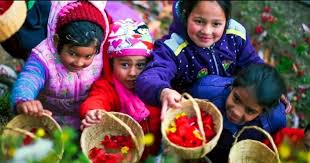
Celebrated at the start of spring, Phool Dei is a lovely celebration. Young ladies sing traditional songs as they visit homes in their hamlet with plates adorned with flowers, rice, and jaggery, which they then scatter on doorsteps.
The act represents blessings for the household’s happiness and prosperity. The girls receive blessings and candies in exchange.
The purity, peace, and love that characterize Uttarakhand’s rural life are reflected in this celebration.
Where: The entire state, with a focus on the villages of Garhwal and Kumaon
When: March, the first day of the month of Chaitra
Highlights include singing, giving candy, and floral arrangements.
7. Makar Sankranti (Ghughutiya) – Festival of Sweet Bonds
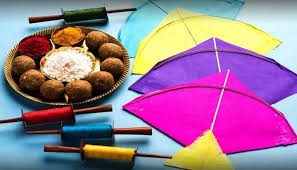
In Uttarakhand, Makar Sankranti, also called Ghughutiya, signifies the sun’s entry into Capricorn. Families make sweet sweets in the shape of ghughuti (rings or beads) out of flour and jaggery as part of a special ceremony.
These candies are used to form garlands, which children wrap around their necks and give to crows, who are thought to be ancestral messengers.
The celebration symbolizes the spirit of sharing and the connection between people and nature.
Where: Uttarakhand as a whole
When: 14 January
Highlights: In certain areas, kite flying, traditional sweets, and offerings to birds
8. Hill Jatra – The Farmers’ Festival
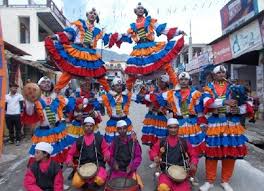
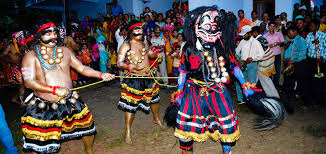
Farmers in the Pithoragarh district celebrate Hill Jatra, one of the oldest and most distinctive festivals, to give thanks to the natural world for a bountiful crop and to offer prayers for continued prosperity.
Folk music, animal worship, and masked dances depicting gods, demons, and animals are all part of the celebration. It is closely associated with the region’s agrarian culture.
Where: district of Pithoragarh
When: During the harvest season, August to September
Highlights include traditional music, mask dances, and agricultural ceremonies.
9. Bat Savitri – The Festival of Marital Devotion
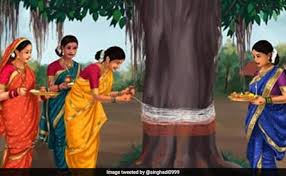
In Uttarakhand, married women celebrate Bat Savitri in honor of their husbands’ longevity and health. The Banyan (Bat) tree, which represents the divine might of Savitri, the woman who rescued her husband from Yama, the deity of death, is worshipped by women and they observe a fast.
Women in traditional clothing congregate close to banyan trees, wrap sacred threads around them, and offer fervent prayers.
Location: All across Uttarakhand
When: May–June (Jyeshtha month’s Amavasya)
Highlights: communal prayers, rituals, and fasting
10. Kandali Festival – The Rare Bloom Celebration
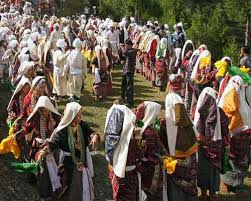
Celebrated once every 12 years in the Chaundas Valley of the Pithoragarh district, the Kandali Festival is one of Uttarakhand’s most intriguing cultural events. It occurs when the Kandali flower (Strobilanthes wallichii) blooms.
Villagers honor their ancestors’ valor in the face of invaders by enacting scenes, dancing, and dressing in traditional war garb during this celebration. It’s a commemoration of history as well as an appreciation of nature.
Where: Pithoragarh’s Chaundas Valley
When: During the flowering of Kandali, once every twelve years
Highlights include traditional music, folk dances, and cultural presentations.
11. Ghee Sankranti (Olgia) – Festival of Gratitude
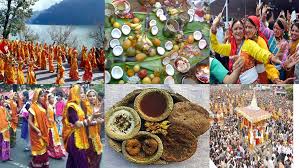
Farmers and craftspeople celebrate Ghee Sankranti, also called Olgia, as a way to show thanks. Farmers give their carpenters, blacksmiths, and other artisans presents, ghee, and butter on this day.
People consume chapatis flavored with ghee and jaggery, which represents wealth and harmony among the community.
Where: the regions of Garhwal and Kumaon
When: August 16th, the first day of the month of Bhado
Highlights include folk music, traditional feasts, and gift-giving.
12. Kumaoni Holi – The Musical Celebration of Colors
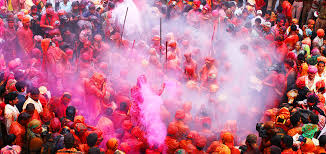
Kumaoni Holi is a month-long musical celebration that features traditional ragas, folk songs, and dances, in contrast to the usual Holi seen elsewhere in India.
Men and women come together to sing heartfelt songs accompanied by traditional instruments during Baithki Holi, Khari Holi, and Mahila Holi, which are its three different versions. The festival skillfully combines community building, art, and devotion.
Where: Kumaon region, including Bageshwar, Nainital, and Almora
When: February to March
Highlights include traditional clothing, colors, folk singing, and dancing.
13. Uttarayani Fair – The Festival of Trade and Culture
The Uttarayani Fair, which takes place annually in January, commemorates the sun’s journey north. People exchange things, take holy dips, and watch local folk acts during this religious and cultural event.
The most well-known fairs, which attract tourists from all over, are in Bageshwar, Ranikhet, and Dwarahat.
Where: Ranikhet, Dwarahat, Bageshwar
When: January; Highlights: Folk music, trade shows, and regional cuisine
Conclusion
Festivals of Uttarakhand, which range from the spiritual magnificence of Kumbh Mela to the straightforward beauty of Phool Dei, vividly depict the state’s cultural diversity. In addition to faith, each festival honors community, the natural world, and thankfulness—all of which are essential to hill country living.
These customs, which have been carried down through the ages, help the people stay connected to their roots and preserve Uttarakhand’s rich cultural legacy.
Try to attend one of these festivals if you’re considering a vacation to the state or are just interested in learning more about its culture. Festivals of Uttarakhand The pulsating heart of Uttarakhand itself will be visible to you, in addition to a celebration. 🌸🙏