Known as the Devbhoomi (Land of the Gods), Uttarakhand is renowned for its rich and varied cuisine in addition to its snow-capped peaks, sacred rivers, and tranquil temples. Uttarakhand’s cuisine exquisitely captures the people’s warmth, simplicity, and close bond with the natural world. Traditional Food of Uttarakhand you must be try it….
Traditional Food of Uttarakhand are made using traditional culinary techniques, minimum amounts of spices, and locally obtained ingredients. They are tasty and nutritious. They offer a glimpse of the Himalayan way of life and are more than just meals.
Let’s examine some of Uttarakhand’s most genuine and delectable traditional dishes in this post, which every visitor should try.
🥘 1. Aloo Ke Gutke – The Star of Kumaoni Kitchens
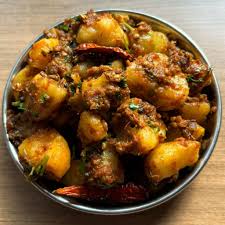
In Uttarakhand, Aloo Ke Gutke is Traditional Food of Uttarakhand. It’s a straightforward but tasty dish made with boiling potatoes sautéed in mustard oil with turmeric, jakhiya (a regional spice), and red chile.
It is frequently served hot with poori or Kandali saag (wild spinach) at weddings, festivals, and even regular meals.
It is genuinely enticing due to the crispiness of the potatoes and the earthy scent of mustard oil.
Enjoyed best with: Region: Kumaon; Poori, Bhang ki Chutney
🌿 2. Bhang Ki Chutney – A Unique Local Condiment
In India, bhang ki chutney is a unique condiment that cannot be found elsewhere. Its tangy and nutty flavor, which is made from roasted hemp seeds (bhang), coriander, garlic, and lemon juice, goes well with practically any local meal.
It is not intoxicating, so don’t worry! The seeds are known for their health benefits, including helping with digestion, and they are non-psychoactive.
Enjoyed well with basic rice, Gahat Dal, or Aloo ke Gutke.
Region: Kumaon and Garhwal
🍚 3. Kafuli – The Nutritious Green Curry
Kafuli, Traditional Food of Uttarakhand Garhwali homes, is made with fenugreek and spinach leaves simmered in a thick, spicy gravy of rice paste and buttermilk.
Its earthy flavor comes from slow-cooking it over a wood fire. One of the healthiest mountain foods is kafuli, which is high in vitamins and iron.
Enjoyed best with: Rice that has been steam-cooked
Area: Garhwal
🍲 4. Chainsoo – A Protein-Rich Lentil Delight
Black gram (urad dal) isTraditional Food of Uttarakhand. To make a thick, dark curry with a smokey flavor, the dal is roasted, ground, and simmered with regional spices.
It’s comforting and high in protein, making it ideal for chilly alpine nights. It is typically served with mandua (finger millet) rotis or rice.
Enjoyed best with: Mandua Roti or rice; region: Garhwal
🍛 5. Gahat (Kulath) Ki Dal – The Winter Favorite
The lentil recognized for its high nutritious content, horse gram, is used to make Gahat ki Dal, also called Kulath Dal. It is particularly well-liked in the winter because it is thought to reduce kidney stones and colds.
Cooked with ginger, garlic, and mild spices, it’s a filling and healthy dish that perfectly captures the rustic mountain way of life.
Enjoyed best with: Bhang ki Chutney and Rice is Traditional Food of Uttarakhand
🌾 6. Jhangora Ki Kheer – The Sweet Taste of the Hills
Jhangora Ki Kheer is a dessert that you simply must try. This creamy, savory pudding is exclusive to Uttarakhand and is made from jhangora (barnyard millet), milk, sugar, and dry fruits.
Millets play a significant role in the local diet, and this recipe skillfully combines flavor and nutrition.
Enjoyed to the fullest: Dessert after lunch or supper
Area: Garhwal
🫓 7. Mandua Ki Roti – The Millet Bread of the Mountains
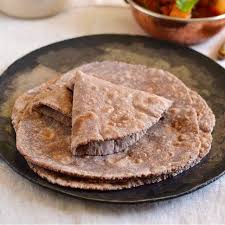
In Uttarakhand’s high-altitude areas, where wheat is difficult to cultivate, people create rotis with millets such mandua (finger millet).
The dark-colored, high-calcium, high-fiber Mandua Ki Roti is frequently eaten with ghee or regional curries like Kafuli or Chainsoo.
Eating what is appropriate for their climate and keeps them robust is a great illustration of the knowledge of the natives.
Enjoyed best with: Phaanu and Ghee
Area: Kumaon and Garhwal
🌰 8. Phaanu – A Royal Garhwali Curry
A variety of lentils, such as gahat, arhar, or moong, are soaked overnight and cooked gently with spices to make the unique cuisine known as paanu. It has a distinct, slightly acidic flavor and is thicker and richer than a typical dal.
Served with steaming rice, this traditional treat is frequently made during festivals.
It tastes best with rice and a little ghee.
Area: Garhwal
🥦 9. Thechwani – The Spicy Potato and Radish Dish
Crushed potatoes and radishes cooked in a hot sauce make up the rustic Garhwali meal known as “Thechwani.” The components are crushed rather than diced, which gives the meal a unique texture and flavor in contrast to typical curries.
It is a genuine representation of Garhwali home cooking; it is spicy, fragrant, and soothing.
Enjoyed best with: Roti or rice
Area: Garhwal
🌰 10. Dubuk – The Comfort Food of Kumaon
Made with either gahat (horse gram) or bhatt (black soybeans), dubuk is a delicious yet light dish. After being soaked, the lentils are mashed into a paste and cooked to create a curry that is smooth and subtly flavored.
Dubuk, when served hot with rice, is a warming dish for the stomach and the soul. It is ideal for cold days and is easy to digest.
Steamed rice and Bhang ki Chutney go well with it.
Region: Kumaon
🥣 11. Ras – The Soulful Lentil Broth
Lentils are cooked together and then seasoned with regional spices and mustard oil to make ras. The dish’s dark hue and rich, earthy flavor come from roasting the lentils first.
This delectable winter treat is renowned for its high protein content and smokey scent.
Enjoyed best with: Steamed rice in the Kumaon region
🍢 12. Singori – The Sweet Wrapped in Leaf
Without sampling Singori, the most well-known regional dessert, a visit to Uttarakhand would not be complete. It has a unique scent and shape because it is created from khoya, or thickened milk, wrapped in maalu leaves.
It has a delicate texture, a gentle sweetness, and a lovely appearance.
Enjoyed to the fullest: As a trip snack or dessert
Area: Kumaon’s Almora
🍯 13. Bal Mithai – The Chocolate of the Hills
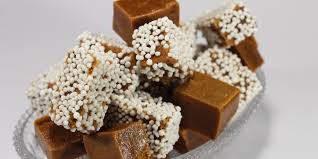
Bal Mithai, the state’s most well-known confection, is referred to as the “Chocolate of Uttarakhand.” Roasted khoya covered in sugar balls is used to make it.
Both residents and visitors love Bal Mithai for its deep, caramelized flavor. It’s the ideal memento to bring back from Almora or Nainital.
Enjoyed most: Anytime!
Area: Kumaon, particularly Almora
🍵 14. Jholi – The Comforting Curry
Made with curd and gram flour and seasoned with turmeric and regional spices, jholi is a tangy yet reassuring curry. Like Kadhi in North India, but with a more rustic taste, it’s a typical Garhwali home food.
Jholi is a great accompaniment to steamed rice and ghee.
Enjoyed best with: Region of Rice: Garhwal
🌶 15. Arsa and Rotana – The Festive Sweets
Locals make traditional desserts like Arsa and Rotana for festivals and weddings.
Rice flour, jaggery, and ghee are combined to make arsa, which is then deep-fried till golden. Another type of sweet bread made with wheat and jaggery is rotana. Both have a hint of sweetness and represent joy and success during festivities.
Enjoyed most: on festive events
Area: Whole Uttarakhand
🏔 The Philosophy Behind Uttarakhand Cuisine
Uttarakhand’s simple, ecological, and healthful cuisine embodies the alpine way of life. Here are some distinctive qualities that set it apart:
- Ingredients produced locally: The area is home to the production of herbs, wild greens, pulses, and millets.
- Minimal use of spices and oil: This keeps the food palatable and nutritious, making it ideal for chilly areas.
- Eco-friendly cooking: Many people continue to utilize traditional cooking tools like earthen pots and iron kadhais.
- Foods that are warming in the winter and light and refreshing in the summer are examples of seasonal eating.
- Essentially, each item in Uttarakhand’s cuisine ties you to the region and its inhabitants.
🍴 Conclusion
Traditional Food of Uttarakhand cuisine narrates a tale of heritage, sustainability, and appreciation for the natural world, from the straightforward Aloo Ke Gutke to the royal Phaanu and the delightful Bal Mithai.
Each meal offers not only flavors but also generations-old wisdom that is strongly ingrained in the local culture.
Try these genuine regional cuisine at tiny restaurants or village homestays the next time you’re in the Uttarakhand highlands instead of going to the big-box stores.
You will experience the essence of the Himalayas in addition to tasting the cuisine. 🌿🍛